
What To Do With Your Garden Lavender: 10 Beautiful Ways to Use Your Summer Harvest

Updated: Jul 23

If you grow lavender, there comes a point every summer when you look out at the garden and think:
"I really should do something with all of that."
For many of us, lavender has become synonymous with sleep. A pillow spray. A bath before bed. A scented drawer sachet.
But lavender is so much more than that. In fat,, it's one of the most versatile medicinal plants you can grow, lending itself beautifully to herbal remedies, aromatherapy, skincare, cooking and natural home preparations. Once you start working with it, it's hard to imagine letting a single opportunity go to waste.
Before we dive in though, it's worth knowing that not all lavender is created equally. Those spectacular, long-stemmed lavenders you often see in garden centres are beautiful, but many have been bred primarily for ornamental value. If you're hoping to harvest lavender for herbal preparations or aromatherapy, it's Lavandula angustifolia (often called English lavender) that is generally considered the gold standard. Rich in aromatic compounds and prized for its gentler chemistry, it's the species most commonly used in herbal medicine and essential oil production.
If you're lucky enough to have Lavandula angustifolia growing in your garden, here's how to make the very most of this year's harvest:
Before You Harvest: Leave Some for the Bees

Before reaching for the kitchen scissors, please know that your lavender is already doing an amazing thing simply existing in the garden.
Lavender is one of the most valuable summer plants for pollinators. On a warm day you'll often find bees, hoverflies and butterflies moving from flower spike to flower spike, gathering nectar and pollen.
I always try to leave plenty of flowers in the garden and harvest only what I need.
After all, one of the joys of growing lavender is sharing it.
1. Make Lavender Hydrosol
If you've already tried making rose hydrosol, lavender is another wonderful plant to distil at home.
Hydrosols are the aromatic waters produced during distillation. They contain trace amounts of essential oil alongside water-soluble plant constituents, making them beautifully gentle and easy to use.
Lavender hydrosol can be:
Spritzed onto hot, flushed or sun-kissed skin
Used as a calming facial mist
Added to cool compresses
Sprayed onto bed linen
Kept in the fridge for a refreshing summer pick-me-up
Few things feel more luxurious than capturing the scent of your own garden in a bottle.
2. Create a Lavender Infused Oil
One of the simplest and most useful preparations you can make is a lavender infused oil.
By allowing lavender flowers to steep in a carrier oil such as olive, sunflower or sweet almond oil, you create a versatile herbal preparation that can be used in countless ways.
Lavender infused oil can be used:
As a massage oil
For dry skin
As the base for balms or salves.
In homemade skincare such as body butters.
For soothing tired feet after a long day
It's also a lovely introduction to herbal preparations for beginners.
3. Turn It Into a Soothing Lavender Balm
Once you've made an infused oil, turning it into a balm is surprisingly easy.
A simple lavender balm can be kept beside the bed, carried in a handbag or used as part of an evening self-care routine.
Many people enjoy using lavender balms for:
Dry hands
Rough elbows or heels
Minor skin irritations - it love it for soothing bites and scrapes.
It's one of those preparations that I'm always so glad to have on hand, ready to go in the cupboard.
4. Make Lavender Honey

If there's one recipe I encourage you to try this lavender season, it's this.
Simply infusing fresh or dried lavender into good-quality runny honey creates a beautifully floral honey that's perfect for drizzling over yoghurt, porridge or fresh fruit, stirring into herbal teas or spreading onto warm toast.
If you happen to have lemon balm growing too, add a few fresh leaves to the jar. Its bright citrus notes pair beautifully with lavender and create a honey that captures the very essence of summer.
Honey does a wonderful job of carrying aromatic flavours, so after a couple of weeks the floral notes gently infuse throughout without becoming overpowering.
Simply dry your lavender flowers before adding to your chosen honey,
I love using lavender honey:
Stirred into herbal teas
Drizzled over Greek yoghurt and berries
On porridge or warm toast
Whisked into simple salad dressings
As a thoughtful homemade gift
It's one of those recipes that looks wonderfully impressive but couldn't be simpler to make. I've written a step-by-step guide, complete with photographs, so you can make your own with confidence.
5. Dry It for Tea
Drying lavender is one of the easiest ways to preserve your harvest. Many recipes also require your honey to be dried first.
Simply gather small bunches, tie them with string and hang them somewhere warm, dry and well ventilated until completely dry.
Lavender can then be used alone or blended with other herbs.
One of my favourite combinations:
Evening Garden Tea
1 teaspoon dried lavender
1 teaspoon lemon balm
1 teaspoon chamomile
Steep for 10 minutes and enjoy in the evening.
The aroma alone is enough to make you slow down.
6. Make a Lavender Summer Cooler
Lavender isn't just for bedtime.
Used carefully, it can make a wonderfully refreshing summer drink. Try infusing a small amount of dried lavender in hot water, then combining it with:
Fresh lemon juice
A little honey
Plenty of fresh mint
Sparkling or still water
Ice
The result is floral, refreshing and surprisingly sophisticated.
A little lavender goes a long way, so start gently.
7. Bake With It: Lavender Sugar
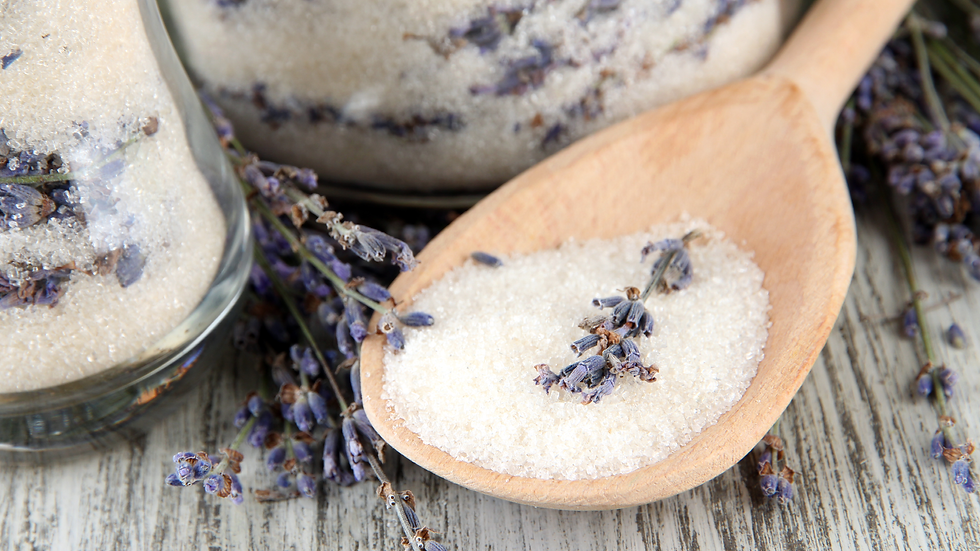
One of the most overlooked uses for lavender is in the kitchen.
If you're using Lavandula angustifolia, its delicate floral flavour pairs beautifully with lemon, honey, blueberries, apricots and white chocolate.
The easiest place to start is lavender sugar.
Simply add a teaspoon or two of dried lavender flowers to a jar of sugar and leave it to infuse for a week or two before sifting out the flowers if you prefer.
Use it to sweeten:
Shortbread
Cakes
Scones
Biscuits
Fruit desserts

A little goes a long way. Lavender should add a gentle floral note, never taste like perfume.
8. Create Sleep Sachets, Drawer Bags or Eye Masks

This is one of lavender's oldest traditions, and for good reason.
Dried lavender flowers can be placed into small cotton bags and tucked into:
Pillowcases
Bedside drawers
Wardrobes
Linen cupboards
Used as calming sleep or eye masks
Every time you open the drawer, you'll be greeted by the scent of summer.
These also make wonderful gifts and are a lovely way to use flowers that may not be suitable for culinary preparations.
9. Make Lavender Vinegar
Lavender vinegar has a long history of both culinary and household use.
A simple infusion of lavender flowers in apple cider vinegar creates a beautifully fragrant preparation that can be used in:
Salad dressings
Marinades
Hair rinses
Household cleaning preparations
Adding a little lemon zest creates an especially lovely summer flavour.
10. Simply Bring It Indoors

It's OK for not every harvest to become a project.
Sometimes the most rewarding thing to do with lavender is simply cut a handful of stems and place them in a vase. The flowers perfume a room naturally, look beautiful on a kitchen table and provide a daily reminder of the season.
We can sometimes become so focused on making things that we forget the pleasure of simply enjoying the plants themselves. Lavender is one of those herbs that asks us to pause, notice the scent, watch the bees and appreciate the abundance of midsummer.
Perhaps that's one of its greatest gifts.
A Plant Worth Growing
Whether you choose to make hydrosols, infused oils, herbal honey, summer drinks or simply enjoy a vase of freshly cut flowers, lavender is one of the most generous plants in the garden.
A single harvest can provide months of enjoyment and countless opportunities to explore herbal medicine, aromatherapy, skincare and seasonal living.
So if your lavender is flowering right now, consider this your invitation to bring a little of that summer abundance indoors.
Your future self will thank you when winter arrives and you open a jar filled with the scent of July.


Comments