
How to Choose a High-Quality Essential Oil: 10 Things I Look For Before Buying


If you've ever stood in front of a shelf of essential oils wondering why one bottle costs £4.99 while another costs £35, you're certainly not alone.
To many people, they appear to be exactly the same. Both bottles might say Lavender. Both promise to be "pure" or "natural". Both smell pleasant when you remove the cap. So why the enormous difference in price?
The short answer is that producing an exceptional essential oil is expensive.
From cultivating the right plants and harvesting them at the ideal moment, to careful distillation, rigorous quality testing and responsible sourcing, every step of the journey adds time, expertise and cost. While price alone never guarantees quality, genuinely well-produced essential oils are unlikely to be the cheapest bottles on the shelf.
It's a question I'm asked surprisingly often.
As both a doctor and an aromatherapist, I've found that one of the biggest misconceptions surrounding essential oils is that if they smell nice, they must be good quality. In reality, aroma tells us very little about what's actually inside the bottle. An oil can smell beautifully floral while containing synthetic fragrance compounds, cheaper substitute oils or plant material that was harvested, distilled or stored poorly.
The truth is that essential oils are remarkably complex botanical extracts. Every bottle represents the chemistry of a living plant, influenced by where it was grown, when it was harvested, how it was distilled and how carefully it has been tested before it reaches your home. Two bottles labelled "lavender essential oil" may look almost identical, yet differ dramatically in their composition, consistency and ultimately the experience they provide.
Perhaps the most important thing I've learnt over the years is that quality isn't determined by a single label or marketing claim. It isn't simply about price either. Instead, it's about asking good questions and choosing companies that are willing to answer them.
This article isn't intended to tell you which brand to buy. Rather, it's a practical guide to understanding what quality really means, the questions worth asking before you make a purchase, and why those questions have shaped the way I choose essential oils for my own home.
By the end, my hope is that you'll feel far more confident navigating the often confusing world of essential oils - not because someone has told you what to buy, but because you'll know what to look for yourself.
What Makes a High-Quality Essential Oil?
When we talk about a high-quality essential oil, what are we really describing?
It's easy to assume quality simply means more expensive, stronger or better smelling. In reality, none of those things tells us very much on their own.
A truly high-quality essential oil is one that faithfully reflects the plant it came from. It should be a genuine botanical extract, carefully distilled, thoughtfully tested and produced with respect for both the plant and the people who grow it.
For me, quality comes down to four simple questions:
Is it authentic? Is it really the plant named on the label? Is it pure? Has anything been added, removed or altered? Has it been produced with care? From cultivation and harvest through to distillation and bottling. Can the company demonstrate its quality? Through testing, transparency and a willingness to answer questions. |
No single label, logo or marketing claim can answer all four of these questions. Instead, it's the combination of many small details that builds a picture of quality.
The good news is that you don't need to be a chemist to make informed choices. Once you know what to look for, buying essential oils becomes far less confusing.
The following ten points are the questions I ask whenever I'm choosing an essential oil. Individually they don't tell the whole story, but together they reveal a great deal about the care that's gone into the bottle in your hand.

The 10 Things Worth Looking For Before You Buy
No single feature can tell you whether an essential oil is high quality. Instead, it's the combination of many small details that paints the bigger picture.
Some are easy to spot before you even open the bottle. Others require a little more curiosity or research. Together, however, they can help you buy with far greater confidence.
Here are the ten things I always encourage people to look for.
🌿 The 10 Things at a Glance
The botanical name - Does the label clearly identify the exact plant species?
The part of the plant used - Leaves, flowers, bark and roots can all produce very different oils.
Where the plant was grown - Climate, altitude and soil all influence an oil's chemistry.
How the oil was extracted - Steam distillation and cold pressing preserve different aromatic compounds.
Purity and testing - Does the company explain how they verify what's in the bottle?
Transparency - Are they open about sourcing, testing and production?
Sustainability - Are plants harvested responsibly with respect for growers and the environment?
Packaging and storage - Is the oil protected from light and oxidation?
Education and support - Does the company help customers understand how to use their oils well?
Trust - Do you trust the company behind the bottle?
1. The Botanical Name

The botanical, or Latin, name is one of the simplest indicators that a company takes its essential oils seriously.
Common names can be surprisingly misleading. "Lavender", "cedarwood" and "chamomile" may each refer to several different plant species, many of which produce essential oils with different aromas, chemical compositions and traditional uses.
For example, true lavender (Lavandula angustifolia) is quite different from spike lavender (Lavandula latifolia), despite both simply being sold as "lavender" in some places. Without the botanical name, you can't be certain which plant you're actually buying. A reputable company will clearly state the full botanical name on the label or product information, allowing you to identify the exact species you're working with.
🌿 Lucy's Tip: If the botanical name isn't easy to find, I'd consider that my first question before buying.
2. Which Part of the Plant Was Used?
Essential oils can be distilled from many different parts of the same plant, including the flowers, leaves, bark, roots, wood, peel or resin. Each produces an oil with its own distinctive aroma and chemistry.
Take bitter orange as an example. The peel gives us orange essential oil, the leaves and twigs produce petitgrain, and the blossoms become neroli. Three completely different oils, all from the same tree. Knowing which part of the plant was used helps you understand exactly what you're buying and demonstrates that the company values botanical accuracy.
🌿 Lucy's Tip: Good labels don't just tell you what plant was used, they tell you which part.
3. Where Was the Plant Grown?
Like grapes used in wine, aromatic plants are influenced by the environment in which they grow. Climate, soil, rainfall, altitude and even the amount of sunshine a plant receives all influence the natural compounds it produces. The same species grown in two different regions may yield oils with slightly different chemical profiles and aromas.
Many companies deliberately source particular plants from regions where they naturally thrive. This isn't simply about tradition; it's often where the plant produces its most balanced and characteristic oil. While the country of origin doesn't guarantee quality on its own, companies that openly share where their plants are grown are often demonstrating a greater commitment to transparency.
🌿 Lucy's Tip: It's always worth learning where an oil comes from, it tells part of the plant's story.
4. How Was the Oil Extracted?
The extraction method plays a crucial role in preserving an essential oil's natural chemistry. Most essential oils are produced by steam distillation, while citrus oils are usually obtained by cold pressing the peel. Both methods have been used for generations because they help retain the plant's aromatic compounds without relying on harsh chemical solvents.
Some extraction methods are more suitable for certain plants than others, so it's reassuring when a company explains how an oil has been produced.
5. Purity and Testing
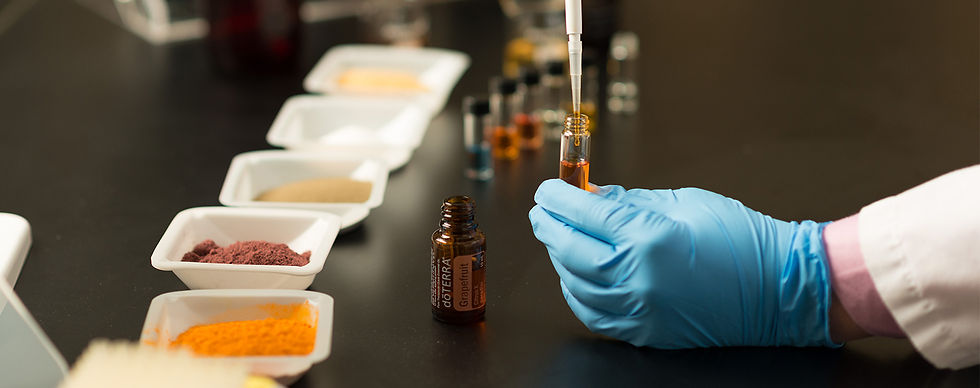
One of the biggest challenges when buying essential oils is that you can't judge quality simply by smelling them.
An oil may have a beautiful aroma while still being diluted, adulterated or produced from poor-quality plant material. Equally, a genuine essential oil may smell slightly different from one harvest to the next because plants naturally vary with the seasons. This is where laboratory testing becomes invaluable.
Many reputable companies use analytical techniques such as gas chromatography (GC) and mass spectrometry (MS) to examine the chemical composition of their oils. Together, these methods help confirm that an oil is consistent with what would be expected from that particular botanical species and can identify many forms of adulteration or contamination.
However, good testing is about far more than a single laboratory report.
Many leading companies don't rely on a single test. Instead, they use a series of analytical methods throughout production - from checking the identity of the raw plant material to analysing the finished oil before it reaches the customer.
A company committed to quality will usually combine analytical testing with careful sourcing, experienced growers, thoughtful distillation, batch-to-batch quality control and ongoing assessment throughout the production process. In other words, testing should support a wider culture of quality - not replace it.
As a customer, you don't need to understand every peak on a chromatogram. What matters is knowing that rigorous quality control exists and that the company is willing to explain how it ensures consistency from plant to bottle.
🌿 Lucy's Tip: Laboratory testing is an important piece of the puzzle, but it's only one piece. The most trustworthy companies combine science with careful sourcing, skilled production and complete transparency.
6. Transparency
In my experience, one of the strongest indicators of quality isn't what a company claims, it's how willing they are to answer questions.
Do they tell you the botanical name of the plant?
Do they explain where it was grown?
Can you find information about how it was distilled, tested and sourced?
Are they open about their quality control processes?
A company that values transparency doesn't expect you to buy on faith alone. Instead, it provides enough information for you to understand the journey from plant to bottle and make an informed decision for yourself.
Of course, not every customer wants to read laboratory reports or learn about steam distillation, and that's perfectly fine. But knowing that the information is available, and that a company is happy to discuss it, says a great deal about its approach to quality.
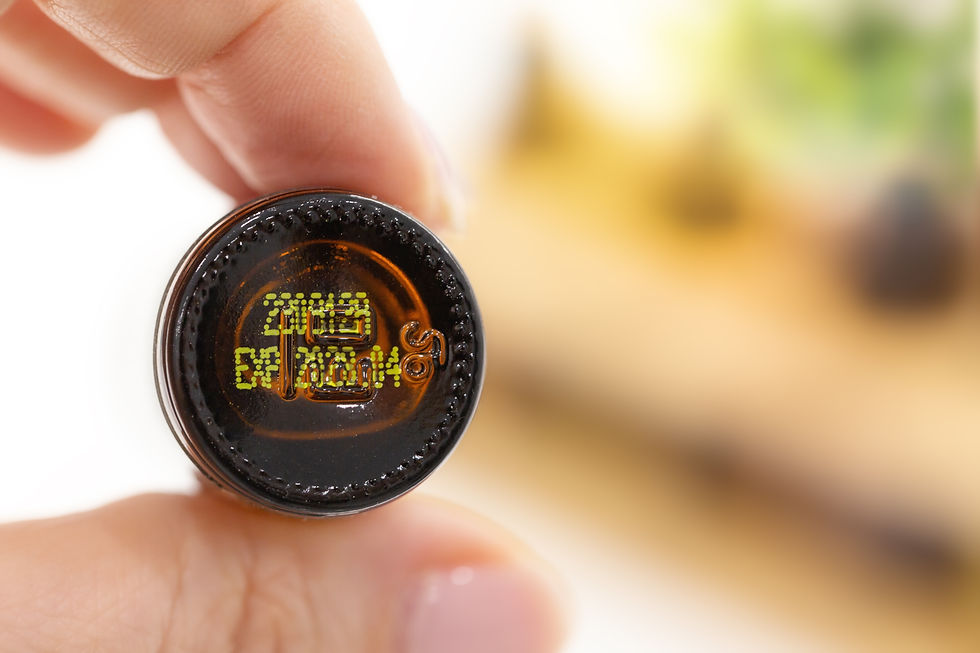
Some companies even go a step further. For example, every dōTERRA essential oil bottle has a batch number printed on the base, allowing customers to look up information about that specific batch online. While not every brand offers this level of traceability, I think it's a wonderful example of the kind of openness that helps build confidence.
Transparency doesn't necessarily mean revealing every commercial detail. Rather, it's a willingness to explain the decisions that matter: where the oils come from, how they're produced, how they're tested and the standards they expect every batch to meet. For me, that's where trust begins.
🌿 Lucy's Tip: Whenever I visit a company's website, I ask myself, "If I wanted to know more about this oil, could I?" Companies that are proud of their processes are usually happy to share them.
7. Sustainability
Essential oils begin long before the distillery. They start with the people who grow, harvest and care for the plants.
Producing a litre of essential oil can require hundreds of kilograms of plant material, making responsible cultivation and harvesting essential. Poor agricultural practices can damage ecosystems, while fair partnerships with growers help protect both local communities and the plants themselves.
Many companies now share information about their sourcing programmes, environmental initiatives and relationships with farming communities. While these approaches vary, a commitment to sustainability often reflects a broader commitment to quality.
🌿 Lucy's Tip: Every bottle has a story. I like knowing that story supports both the people who grew the plants and the landscapes they came from.
8. Packaging and Storage

Once an essential oil has been distilled, it still needs protecting.
Heat, light and oxygen can all gradually alter an oil's chemistry over time. That's why most reputable companies package their oils in dark amber or cobalt blue glass bottles, designed to reduce light exposure and help preserve the oil's integrity. Good packaging can't transform a poor-quality oil into a good one, but it can help protect a well-produced oil from unnecessary deterioration before it reaches your home.
🌿 Lucy's Tip: A quality oil deserves quality packaging. Dark glass isn't just attractive - it's practical.
9. Education and Support
For me, quality isn't just about what's inside the bottle. It's also about helping people use essential oils safely, confidently and appropriately.
The companies I respect invest in education alongside their products. They provide guidance on dilution, safety, sourcing and practical use rather than simply encouraging people to buy more bottles.
After all, even the highest-quality essential oil has little value if people don't understand how to use it well.
🌿 Lucy's Tip: I always value companies that teach as much as they sell.
10. Trust
After everything we've explored, perhaps the most important question is the simplest: Do you trust the company behind the bottle?
Trust isn't built through clever marketing or attractive packaging. It's earned through consistency, transparency and a willingness to answer difficult questions. It's built when a company invests in sourcing, testing, education and long-term relationships with growers, not just eye-catching labels.
No single feature can guarantee quality. But when you bring together everything we've discussed in this article, you begin to build a picture of whether a company genuinely prioritises excellence or simply markets it.
Ultimately, buying essential oils becomes less about finding the cheapest bottle or the most persuasive slogan, and more about choosing a company whose values and standards align with your own.
🌿 Lucy's Tip: Trust your curiosity. The companies worth buying from are usually the ones that welcome your questions.
Why You'll Often See dōTERRA Throughout Subtle Medicine
By now, you've probably realised that I don't believe quality can be reduced to a single label, logo or marketing claim.
Instead, I look at the whole picture.
I ask questions about the plants, the growers, the distillation, the testing, the transparency and the values of the company behind the bottle.
Those are the principles that guide every essential oil I choose to use.
For me, dōTERRA consistently meets those standards better than any other large commercial essential oil company I've come across. Their commitment to sourcing, extensive quality testing, grower partnerships and education gives me confidence in the oils I use every day, which is why you'll see dōTERRA featured throughout much of my work.
That said, I don't believe excellent essential oils are exclusive to one company.
If I were visiting a small lavender farm in France, watching the plants being harvested and distilled on the same land they were grown, I'd happily buy a bottle to bring home. The same is true of a trusted artisan distiller producing exceptional oils with care, skill and complete transparency.
Ultimately, what matters to me isn't the name on the bottle.
It's whether the people behind it demonstrate the qualities we've explored throughout this article: authenticity, purity, thoughtful production and genuine transparency.
That's why I encourage people not simply to ask, "Which brand should I buy?"
Instead, ask:
"Who produced this oil, and what can they tell me about its journey from plant to bottle?"
For me, dōTERRA answers those questions more consistently than any other commercial producer I've encountered. That's why it's the company I choose to use, recommend and teach with.
Comments